

Mold Inspection in Whitestown, IN
Whitestown's humid continental climate brings sustained moisture pressure through spring and summer, with damp conditions extending into fall—a pattern that creates persistent risk for mold growth in homes with basements or crawl spaces if those areas lack proper sealing and ventilation. Mold inspection identifies moisture entry points and early colonization before it spreads, protecting indoor air quality and the structural integrity of your home. Alger Mold Remediation connects Whitestown property owners with local inspection providers who can assess your foundation areas and recommend targeted remediation.
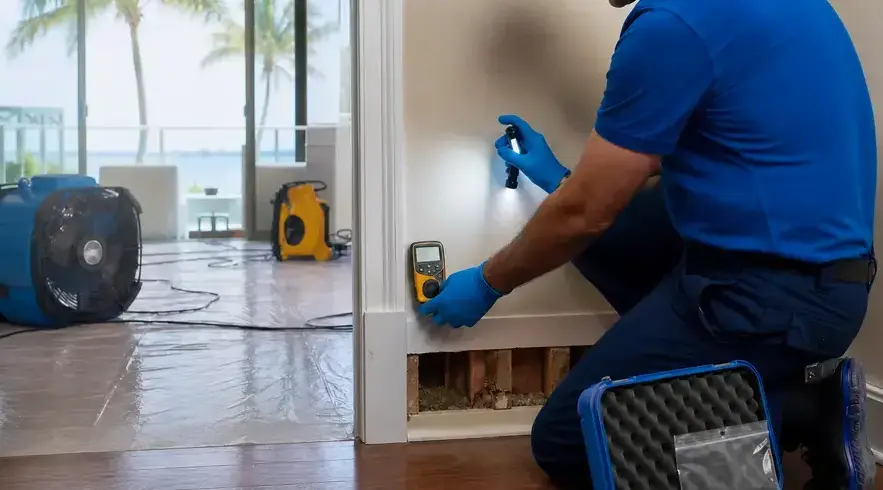
What does a mold inspection look for in Whitestown, IN?
Testing is worth paying for when it answers a question looking cannot. Below is what EPA says sampling establishes, and what it does not.
Surface sampling may be useful to determine if an area has been adequately cleaned or remediated.EPA
Sampling for mold should be conducted by professionals who have specific experience in designing mold sampling protocols, sampling methods and interpreting results.EPA
So sampling earns its place at the two ends of a job — confirming what is there when it is hidden, and confirming it has gone once the work is done. EPA is equally clear that it is not always needed: in most cases, if visible mold growth is present, sampling is unnecessary, and there is no federal number a result can be measured against.
In most cases, if visible mold growth is present, sampling is unnecessary.EPA
Standards or Threshold Limit Values (TLVs) for airborne concentrations of mold, or mold spores, have not been set.EPA
There is a reason to look harder here than the visible surface: Boone County has recorded flood events in 22 separate years, most recently in 2025. Water that arrived years ago leaves growth behind whether or not anyone found it at the time.Source: NOAA Storm Events Database, Boone County (1996-2026; Flood, Flash Flood and Coastal Flood events)
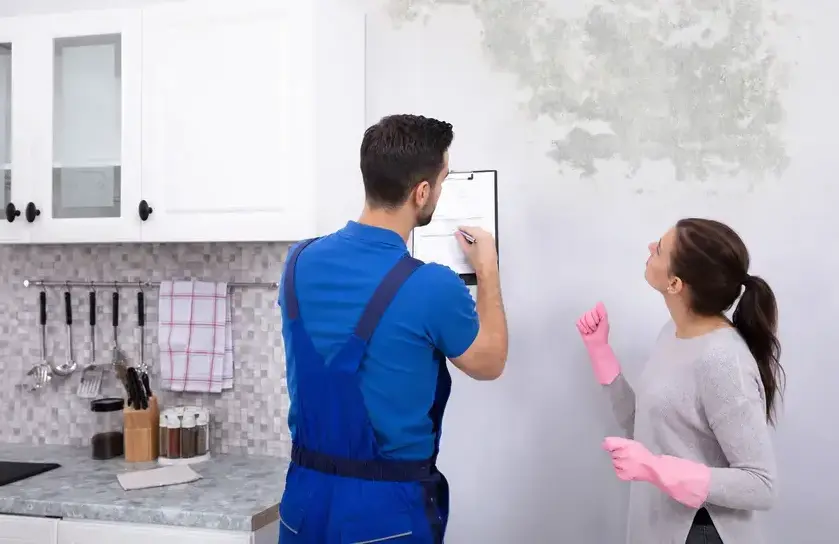
Mold Inspection Services for Whitestown Homeowners
Whitestown property owners face persistent moisture challenges throughout the year, particularly during spring and summer when humidity levels climb and damp conditions extend well into fall. Homes in and around Whitestown commonly feature crawl spaces or full basements—both areas where moisture accumulates and creates favorable conditions for mold growth when ventilation and sealing are inadequate. Without regular mold inspection, these hidden spaces can harbor active growth that goes unnoticed until it spreads or affects indoor air quality. Early detection through professional mold inspection protects your property's structure and the health of those living inside.
Alger Mold Remediation connects Whitestown property owners with local independent mold inspection providers who conduct thorough examinations of your home, focusing on moisture-prone areas and early warning signs. These professionals document findings clearly and explain what they discover, so you understand the scope of any issues before remediation decisions are made. The inspection process establishes a baseline for your property and guides next steps with confidence. Whether concerns are confirmed or ruled out, a professional mold inspection gives you the insight needed to protect your home and maintain healthy indoor conditions going forward.
Why Whitestown Property Owners Choose Alger Mold Inspection
Fast Local Mold Inspection Access
Alger connects you with independent local providers ready to perform thorough mold inspection quickly. Rapid response means identifying moisture problems before they spread through your home's structure.
Clear Mold Inspection Findings & Guidance
Inspection reports explain what inspectors found, where mold may be growing, and what removal steps make sense. You receive straightforward information to guide your next decision without pressure or confusion.
Thorough Mold Inspection Across Hidden Areas
Professional mold inspection reaches spaces homeowners often miss—wall cavities, attic corners, and crawl spaces where moisture settles. Complete coverage catches problems early before they become costly.
Mold Inspection for Whitestown's Moisture Challenges
Central Indiana's humid springs and summers drive persistent indoor moisture year-round, especially in crawl spaces and basements where ventilation and sealing gaps allow moisture entry. Thorough mold inspection identifies these vulnerable zones.
How Our Mold Inspection Process Works
Schedule Your Mold Inspection
Contact Alger to connect with a local mold inspection provider in Whitestown. A qualified inspector will visit your property, assess moisture levels, and examine areas prone to mold growth—including crawl spaces and basements where humidity and dampness create conditions that support mold development.
Receive Your Mold Inspection Report
The inspector documents findings from the mold inspection, identifies affected areas, and explains what moisture or ventilation issues may be feeding mold growth. You'll receive a clear assessment to guide your next steps toward remediation and long-term moisture control.
Connect with a Remediation Provider
Based on your mold inspection results, Alger connects you with a local remediation provider who can address the affected areas and moisture sources. The provider discusses containment, removal, and steps to prevent mold from returning to the spaces identified during your inspection.
Dealing with Mold Inspection in Whitestown? Get fast, professional help.
Call Now — (317) 597-6857Mold Inspection Across Whitestown Homes
Whitestown's central Indiana location brings consistent moisture challenges year-round, particularly during spring and summer when humidity levels rise and remain elevated well into fall. This sustained dampness creates an environment where mold can develop if indoor moisture isn't properly controlled. A mold inspection in Whitestown needs to account for these seasonal humidity patterns, since moisture-related growth often begins in spaces that lack adequate ventilation or drainage—conditions that become more pronounced as outdoor humidity climbs.
Many homes throughout the Whitestown area include crawl spaces or full basements, both of which are naturally vulnerable to moisture intrusion if sealing and ventilation systems aren't functioning properly. A thorough mold inspection should evaluate these foundation spaces early, since moisture entering from soil contact or poor drainage can lead to mold development that spreads into living areas. Local mold inspection providers understand how Whitestown's climate and home construction patterns interact, allowing them to identify moisture entry points and early mold growth before the problem expands.
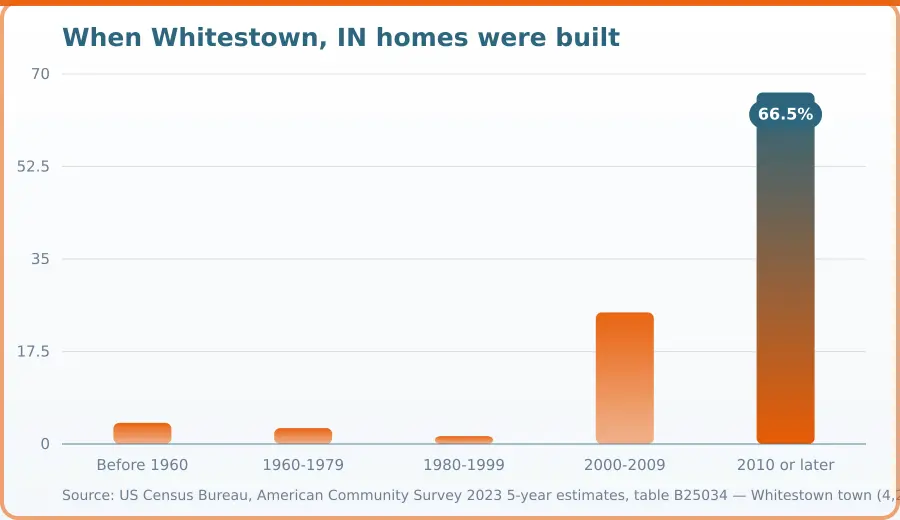
| Period | When homes were built (%) |
|---|---|
| Before 1960 | 4 |
| 1960-1979 | 3 |
| 1980-1999 | 1.5 |
| 2000-2009 | 24.9 |
| 2010 or later | 66.5 |
Source: US Census Bureau, American Community Survey 2023 5-year estimates, table B25034 — Whitestown town (4,286 housing units). Retrieved October 5, 2026.
Year-Round Mold Inspection Needs in Whitestown
Spring: Rising Moisture
Spring thaw and increased rainfall elevate indoor humidity levels across Whitestown homes. Mold inspection becomes critical as moisture accumulates in basements, crawl spaces, and wall cavities. Alger Mold Remediation connects property owners with local inspectors who identify hidden growth before it spreads.
Summer: Peak Growth Season
High humidity throughout summer months accelerates mold development indoors, particularly in poorly ventilated or sealed spaces. A professional mold inspection during this season reveals active colonies and moisture sources while conditions are most visible. Local providers accessed through Alger help homeowners address problems before fall and winter months arrive.
Fall: Moisture Persistence
Damp conditions lingering into fall create ongoing mold risk as homes prepare for winter closure. Mold inspection now identifies growth that developed over spring and summer while moisture still supports active expansion. Alger Mold Remediation links property owners with inspectors who can assess readiness before heating season begins.
Winter: Hidden Risk Assessment
Winter cold combined with interior heating creates temperature differentials that drive condensation and moisture toward walls and attics. Mold inspection during winter reveals growth hiding behind wall cavities and in cold-side spaces where moisture collects. Alger connects Whitestown property owners with local providers who perform thorough winter assessments and plan remediation timing.
Mold Inspection FAQs — Whitestown, IN
A mold inspection typically includes a visual assessment of your home's interior and exterior for visible mold growth, water stains, or signs of moisture damage. The inspector evaluates areas prone to dampness—especially basements and crawl spaces—and may use moisture meters or thermal imaging to detect hidden moisture. Air and surface samples are often collected to identify mold species and spore levels, helping determine the scope of any remediation needed.
Alger Mold Remediation connects Whitestown property owners with local independent inspection providers who can often schedule appointments within days. Response times vary by provider availability and your scheduling flexibility. Contact the local provider in your area to discuss your timeline and get a specific appointment window that works for your home.
Inspection pricing depends on your home's size, the number of areas being evaluated, whether sampling and lab analysis are included, and if specialized equipment like moisture detection tools or thermal imaging is used. Providers typically offer a quote based on your specific situation. Reach out to a local Whitestown inspector to understand what's included in their inspection service and pricing structure.
Before your inspection, ensure the inspector has clear access to basements, crawl spaces, attics, and areas where moisture problems may exist. Make note of any visible mold, water stains, or musty odors you've noticed and share those observations with the inspector. Remove clutter from inspection areas if possible, and be prepared to discuss any past water intrusions or moisture issues your home has experienced.
After inspection, address moisture sources by ensuring proper drainage around your foundation, maintaining gutters and downspouts, and fixing any plumbing leaks promptly. Improve ventilation in damp areas like basements and crawl spaces, keep indoor humidity in check, and address any structural issues that allow moisture intrusion. Your inspector may recommend specific steps based on what they find during the inspection.
Central Indiana experiences elevated humidity during spring and summer, creating moisture conditions that promote mold growth indoors. Homes with basements or crawl spaces face particular moisture pressure during these seasons if ventilation and sealing are inadequate. Scheduling a mold inspection before or during these humid months helps identify problems early, protecting your indoor air quality and structural integrity.
Related Services
Homeowner Safety Toolkit
Verify Your Whitestown, IN Mold Remediation Company
Before you hire anyone, use these independent national resources to confirm credentials, standards, and track record.
EPA
The federal government's own guidance on identifying, cleaning up, and preventing mold growth in a home.
Mold Prevention GuideBBB
Look up any mold remediation company's complaint history, customer reviews, and accreditation status — a free, independent check before you hire.
Check StandingCDC
Covers the health effects of mold exposure and safe cleanup practices, separate from the remediation work itself — useful if anyone in the home has respiratory symptoms.
Mold Health GuideDealing with Mold Inspection in Whitestown, IN? Call (317) 597-6857 for 24/7 help.
Call Now — (317) 597-6857Areas We Serve in Whitestown, Indiana
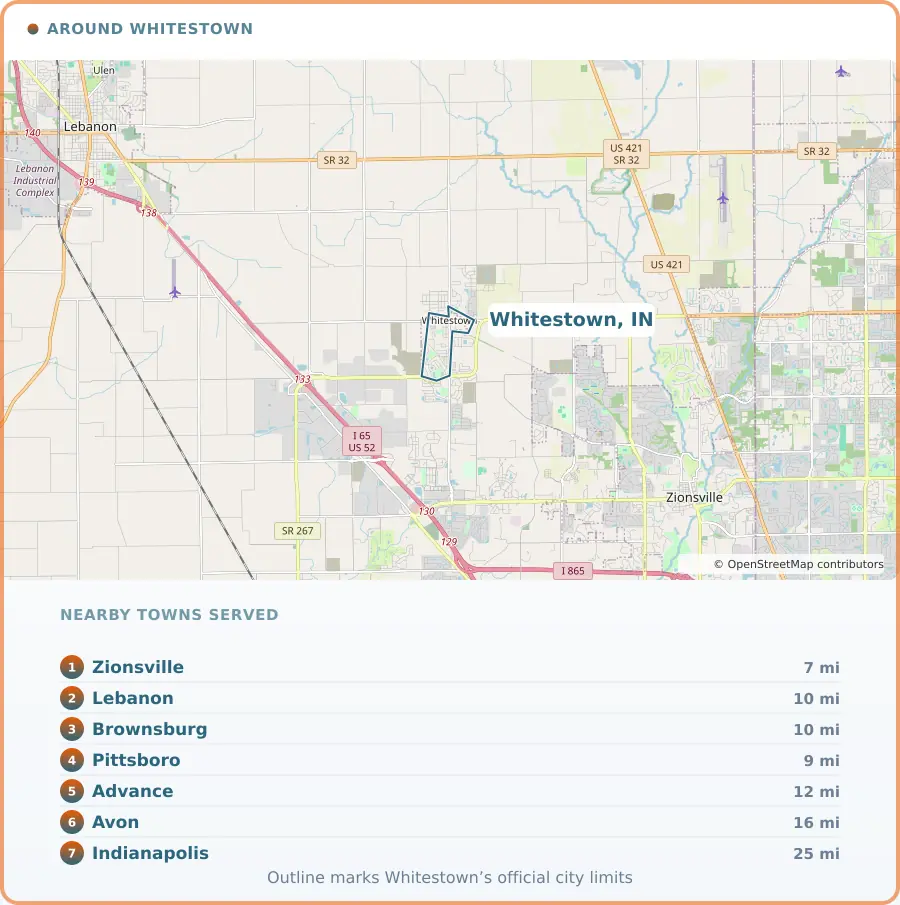
Serving Whitestown, IN and 7 communities around it. Local knowledge of how each area is built shapes how the work is handled there.
Whitestown, IN Information
Just northwest of Indianapolis, Whitestown, IN has become one of the fastest-growing towns in the metro area, with a population now topping 10,000 and climbing. Much of that momentum traces back to the Anson development, which has pulled in major logistics and distribution operations, including a large Amazon fulfillment center, alongside employers like Kroger, Essendant, and O'Reilly Auto Parts.
The town's character blends small-town Boone County roots with the energy of a community building itself in real time. New neighborhoods rise alongside working farmland, while warehousing, residential construction, and local government jobs keep pace with the growth. It's a place still rooted in Indiana agriculture even as it becomes a regional hub for e-commerce and distribution.
Photo: Billy Hathorn, CC BY-SA 3.0