

Carpet Mold Removal in Whitestown, IN
Whitestown's humid continental climate brings sustained moisture pressure through spring and summer, with damp conditions extending into fall—conditions that make carpets particularly vulnerable to mold growth when moisture penetrates fibers and backing. Basements and crawl spaces are common moisture entry points in many homes throughout the area, and carpets installed in or near these spaces face heightened risk if humidity and water intrusion aren't controlled. Alger Mold Remediation connects Whitestown property owners with local providers who specialize in carpet mold removal, helping protect indoor air quality and preserve flooring before damage becomes extensive.
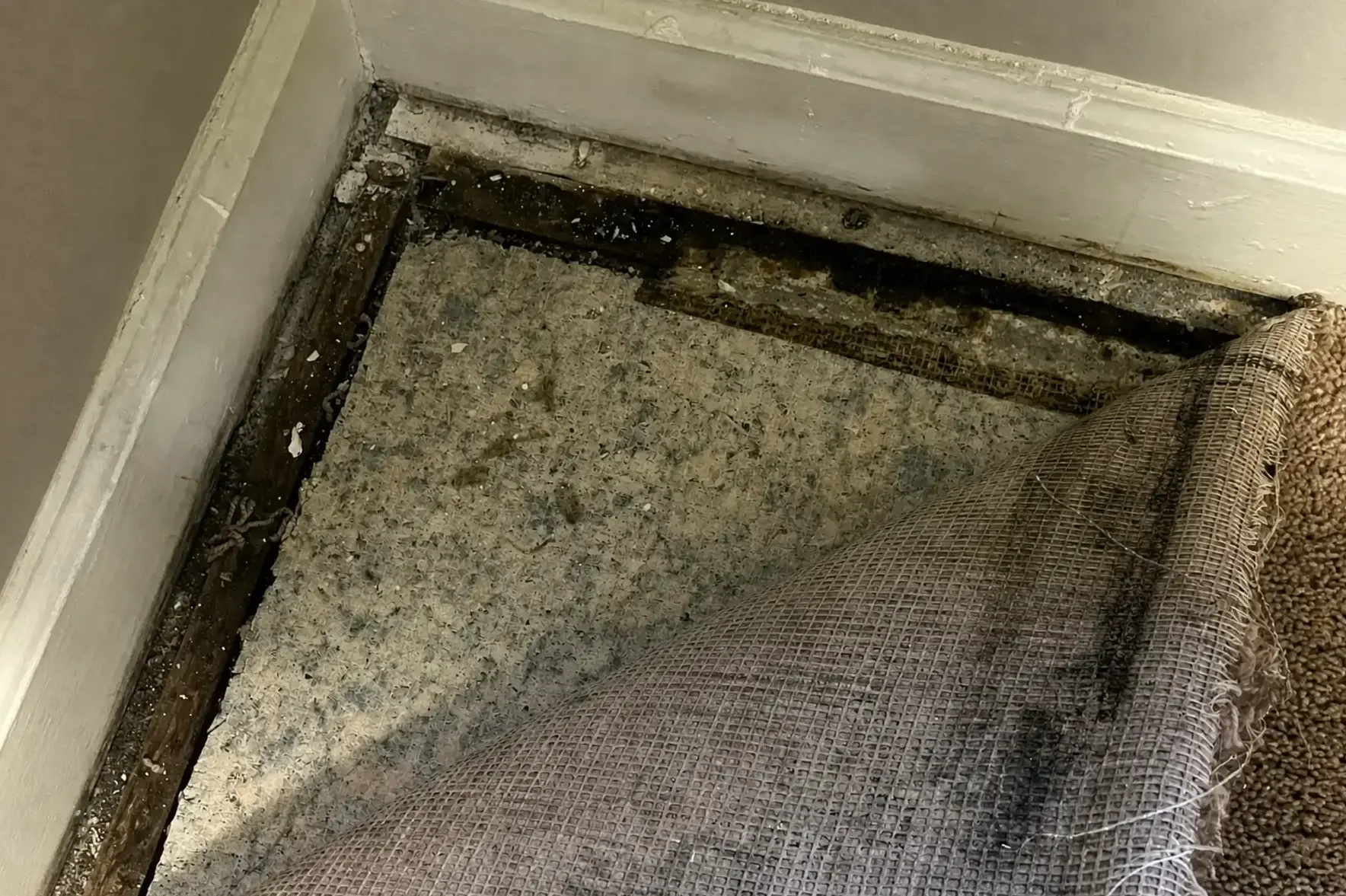
What gets cleaned in a carpeted room, and what comes out
The honest answer to “does this come out, or can it be cleaned?” turns on two things — what the material is, and how many square feet are affected. Those are the two axes of the EPA’s own remediation table, reproduced below for the materials usually found in a carpeted room.
| Material | Under 10 sq ftabout a cabinet door, or one ceiling tile | 10 to 100 sq ftroughly one wall, or a small bathroom | Over 100 sq ftmore than one room's worth of surface |
|---|---|---|---|
| Carpet and backingthe carpet and its backing, and the pad beneathEPA, Table 2 | Wet vacuumHEPA vacuum | Wet vacuumHEPA vacuumRemove and discard | Wet vacuumHEPA vacuumRemove and discard |
| Hard surface, porous flooringthe subfloor under the carpetEPA, Table 2 | Wet vacuumDamp wipeHEPA vacuum | Wet vacuumDamp wipeHEPA vacuum | Wet vacuumDamp wipeHEPA vacuumRemove and discard |
| Upholstered furniture and drapesfurniture and drapes that were standing in itEPA, Table 2 | Wet vacuumHEPA vacuum | Wet vacuumHEPA vacuumRemove and discard | Wet vacuumDamp wipeRemove and discard |
What those methods mean, in EPA's words
- Wet vacuum
Wet vacuums are vacuum cleaners designed to collect water. They can be used to remove water from floors, carpets and hard surfaces where water has accumulated.
EPA, cleanup methods- Damp wipe
Mold can generally be removed from nonporous (hard) surfaces by wiping or scrubbing with water, or water and detergent.
EPA, cleanup methods- HEPA vacuum
HEPA (High-Efficiency Particulate Air) vacuums are recommended for final cleanup of remediation areas after materials have been thoroughly dried and contaminated materials removed.
EPA, cleanup methods- Remove and discard
Building materials and furnishings that are contaminated with mold growth and are not salvageable should be double-bagged using 6-mil polyethylene sheeting.
EPA, cleanup methods
These guidelines are for damage caused by clean water. If you know or suspect that the water source is contaminated with sewage, or chemical or biological pollutants, then Personal Protective Equipment and containment are required by OSHA.
EPA, Table 1Porous materials that are wet and have mold growing on them may have to be discarded.
EPA, cleanup methodsMold can grow on wood, drywall, carpet and furniture if they remain wet for more than 24 hours.
EPA, flood cleanup
The pad under the carpet holds far more water than the carpet itself, which is why the pad usually decides the outcome. EPA allows cleaning at small areas but adds removal once the affected area passes ten square feet. Anything upholstered that was standing in it is judged separately — furniture and drapes often come out when the carpet does.
Boone County carries flood events in 22 different years on the National Weather Service record, the latest in 2025 — which is a long history of water arriving somewhere it had to be dried out of.Source: NOAA Storm Events Database, Boone County (1996-2026; Flood, Flash Flood and Coastal Flood events)
Carpet Mold Removal Services for Whitestown Homeowners
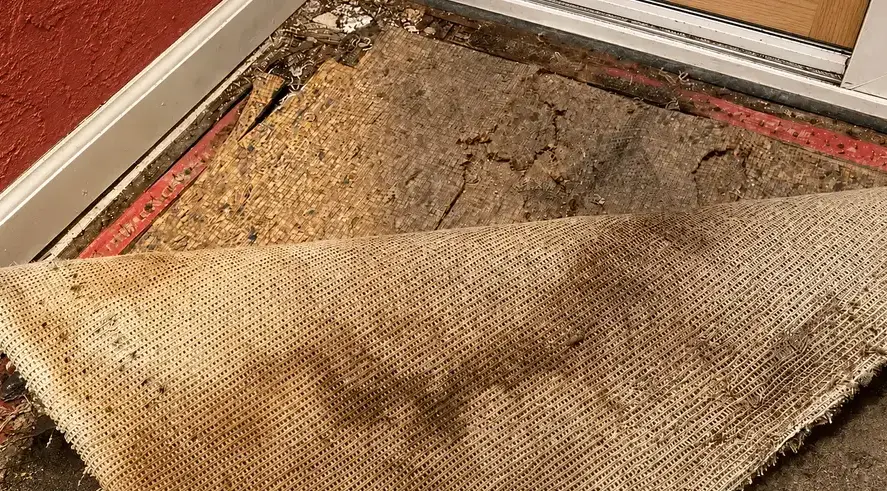
Whitestown's central Indiana location means homes face persistent moisture challenges throughout the year, especially during spring and summer when humidity climbs and damp conditions linger into fall. Many properties in and around Whitestown include crawl spaces or full basements—both natural collection points for groundwater and moisture if ventilation and sealing are inadequate. When moisture reaches carpet fibers, mold can develop quickly, spreading through padding and subflooring and potentially affecting indoor air quality across your home. Carpet mold removal becomes essential to protect both the structure and the health of your household, and addressing it promptly prevents the problem from expanding into surrounding materials.
Alger Mold Remediation connects Whitestown property owners with independent local providers who focus on thorough carpet mold removal, handling everything from careful assessment and containment to complete extraction and disposal. These providers understand that carpet mold often signals a deeper moisture issue—whether in a basement, crawl space, or elsewhere—so they address both the visible mold and the source of moisture feeding it. After removal, they work to restore safe conditions and recommend steps to prevent recurrence. If you suspect mold in your carpets or underlying spaces, reaching out for a professional evaluation is the next step toward a healthier home.
Why Whitestown Property Owners Choose Alger Mold Remediation
Fast Local Carpet Mold Removal
Alger connects you with independent local providers ready to address carpet mold promptly. Quick response times help prevent mold from spreading deeper into fibers and padding, protecting your indoor air quality.
Thorough Carpet Mold Removal Process
Connected providers assess affected carpet areas carefully, determining whether removal or targeted treatment is needed. Comprehensive containment and removal prevent mold spores from circulating throughout your home during the process.
Clear Communication Throughout Removal
Alger's providers explain carpet mold findings and removal steps in plain language. You'll understand what's being removed, why, and what happens next—no confusion, no surprises.
Carpet Mold in High-Moisture Seasons
Whitestown's spring and summer humidity, along with moisture lingering into fall, creates ideal conditions for mold growth in carpets. Prompt carpet mold removal helps protect your home when seasonal dampness peaks, reducing indoor moisture risks.
How Our Carpet Mold Removal Process Works
Contact a Local Carpet Mold Provider
Tell Alger Mold Remediation about carpet mold concerns in your Whitestown home, and we'll connect you with an independent local provider who handles carpet mold removal. Your provider will schedule a visit at your convenience to assess the affected carpet and surrounding areas.
Get Your Carpet Mold Inspected
The provider will inspect your carpet to identify mold growth, moisture sources, and whether removal or replacement is necessary. In Whitestown's humid spring and summer months, moisture often seeps into carpets from damp foundations or poor ventilation—your inspection pinpoints these entry points.
Complete Carpet Mold Removal
Once you approve the removal plan, the provider will extract affected carpet, treat underlying surfaces, and restore air quality in the room. Follow-up guidance helps you prevent future carpet mold by managing indoor humidity and moisture.
Dealing with Carpet Mold Removal in Whitestown? Get fast, professional help.
Call Now — (317) 597-6857Carpet Mold Removal Across Whitestown
Whitestown's climate creates persistent moisture challenges that make carpet mold removal a recurring concern for homeowners. Central Indiana experiences high humidity levels throughout spring and summer, with damp conditions extending into fall—a cycle that keeps indoor moisture levels elevated year-round. Carpets, which absorb and retain moisture easily, become vulnerable to mold growth when humidity rises or when water intrusion occurs, whether from plumbing issues, roof leaks, or ground moisture seeping indoors.
Many properties in and around Whitestown have crawl spaces or full basements where moisture accumulates if ventilation and sealing are inadequate. When water moves from these foundation areas into living spaces above, it can saturate carpets and create conditions favorable for mold. The independent local providers in our network understand how moisture moves through Whitestown homes and perform carpet mold removal with attention to both immediate contamination and the underlying moisture source—helping ensure the problem does not return once the affected carpet is removed and treated.
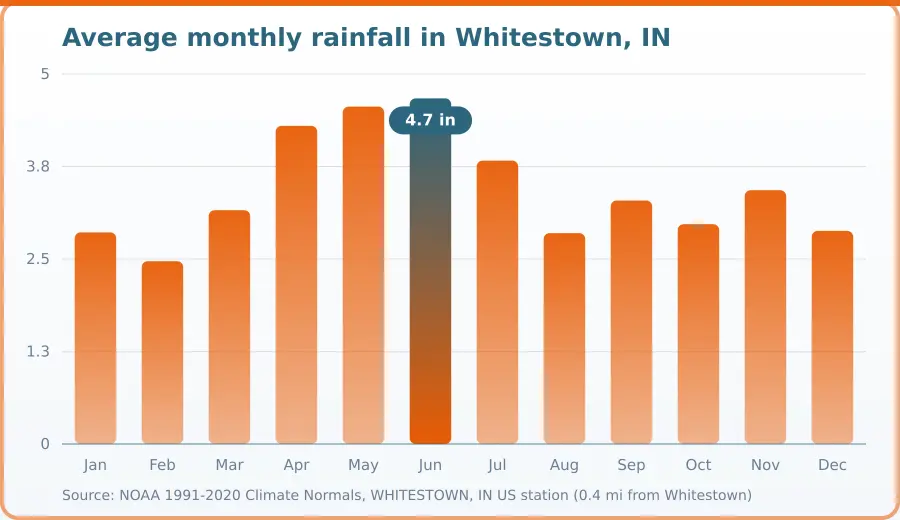
| Period | Monthly rainfall (in) |
|---|---|
| Jan | 2.9 |
| Feb | 2.5 |
| Mar | 3.2 |
| Apr | 4.3 |
| May | 4.6 |
| Jun | 4.7 |
| Jul | 3.8 |
| Aug | 2.9 |
| Sep | 3.3 |
| Oct | 3 |
| Nov | 3.4 |
| Dec | 2.9 |
Source: NOAA 1991-2020 Climate Normals, WHITESTOWN, IN US station (0.4 mi from Whitestown). Retrieved October 5, 2026.
Seasonal Carpet Mold Challenges Year-Round in Whitestown
Spring: Moisture Awakening
Spring thaw and increased rainfall intensify moisture accumulation in carpets, especially in homes with crawl spaces or basements where moisture enters through foundation seepage. Carpet mold thrives in these damp conditions. Alger Mold Remediation connects you with local providers who assess carpet saturation and recommend targeted removal or deep remediation before mold spreads.
Summer: Heat and Humidity
Summer's sustained humidity accelerates carpet mold growth in poorly ventilated indoor spaces. Mold colonies establish quickly in damp carpet fibers, potentially affecting indoor air quality. Independent local providers through Alger help identify affected carpet areas and execute safe removal or restoration before the problem compounds.
Fall: Persistent Damp Conditions
Fall rainfall and cooling temperatures create conditions where moisture lingers in carpet for extended periods. Carpet mold becomes increasingly visible as humidity remains elevated. Alger Mold Remediation connects property owners with local providers who perform thorough carpet inspection and removal to prevent winter mold expansion.
Winter: Indoor Moisture Trapping
Cold months trap indoor moisture as homes are sealed against outdoor temperatures; carpets absorb humidity from heating systems and occupant activity. Carpet mold develops silently in low-light, poorly ventilated rooms. Local providers through Alger identify and remove affected carpet before spring moisture surge, protecting indoor air quality year-round.
Carpet Mold Removal FAQs — Whitestown, IN
Carpet mold removal typically begins with inspection to identify affected areas and moisture sources. The independent local provider you're connected with will assess whether carpeting can be salvaged through cleaning and drying, or if removal and replacement is necessary. The process includes containment to prevent spore spread, careful extraction, and thorough drying of the subfloor and surrounding space to stop regrowth.
Alger Mold Remediation connects you with independent local providers in the Whitestown area who can respond quickly to your carpet mold problem. Response time depends on current availability and your situation's urgency, but local providers can often schedule inspections and begin removal work promptly once you contact them through our service.
Carpet mold removal pricing depends on the affected area's size, how deep mold has penetrated the carpet and padding, whether the subfloor requires treatment, and the drying equipment or materials needed. The independent provider will evaluate moisture source severity and whether carpeting can be cleaned or must be removed entirely. Pricing varies by provider and specific conditions at your property.
Before removal begins, remove personal items and furniture from the affected room if possible. Ensure the area is accessible for the service provider's equipment and crew. Close doors to isolate the space and turn off HVAC systems if directed by your provider, as they may use specialized drying or containment measures. Your provider will give specific instructions based on your situation.
Keep indoor humidity levels low and address water leaks or damp conditions immediately. Ensure carpeted areas dry quickly after spills or moisture exposure. In basements and crawl spaces, proper ventilation and moisture sealing are critical. Regular inspection of carpeted areas in moisture-prone rooms, combined with prompt cleanup of any dampness, significantly reduces regrowth risk after removal.
Spring and summer months in central Indiana bring higher humidity and moisture levels that accelerate mold growth in carpets, making early detection and removal especially important during these seasons. Damp conditions can persist into fall, keeping carpet mold risk elevated. Year-round vigilance for moisture and prompt removal when mold appears helps prevent it from spreading deeper into carpet and padding.
Related Services
Homeowner Safety Toolkit
Verify Your Whitestown, IN Mold Remediation Company
Before you hire anyone, use these independent national resources to confirm credentials, standards, and track record.
EPA
The federal government's own guidance on identifying, cleaning up, and preventing mold growth in a home.
Mold Prevention GuideBBB
Look up any mold remediation company's complaint history, customer reviews, and accreditation status — a free, independent check before you hire.
Check StandingCDC
Covers the health effects of mold exposure and safe cleanup practices, separate from the remediation work itself — useful if anyone in the home has respiratory symptoms.
Mold Health GuideDealing with Carpet Mold Removal in Whitestown, IN? Call (317) 597-6857 for 24/7 help.
Call Now — (317) 597-6857Areas We Serve in Whitestown, Indiana
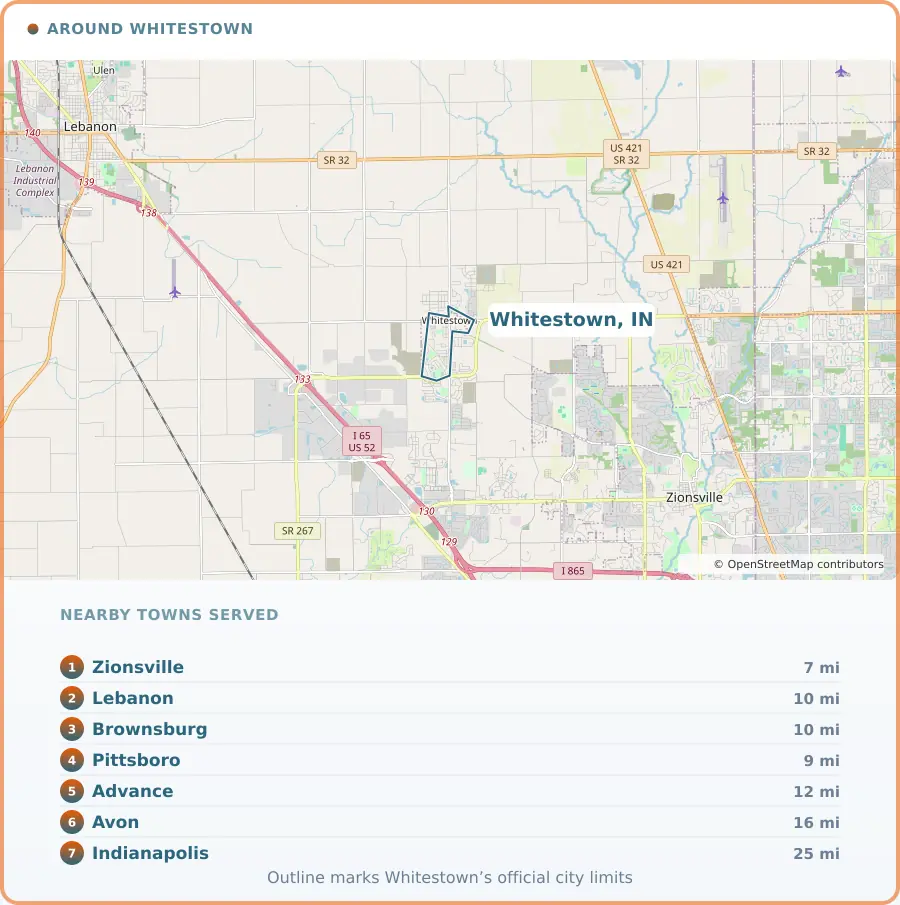
Serving Whitestown, IN and 7 communities around it. Local knowledge of how each area is built shapes how the work is handled there.
Whitestown, IN Information
Just northwest of Indianapolis, Whitestown, IN has become one of the fastest-growing towns in the metro area, with a population now topping 10,000 and climbing. Much of that momentum traces back to the Anson development, which has pulled in major logistics and distribution operations, including a large Amazon fulfillment center, alongside employers like Kroger, Essendant, and O'Reilly Auto Parts.
The town's character blends small-town Boone County roots with the energy of a community building itself in real time. New neighborhoods rise alongside working farmland, while warehousing, residential construction, and local government jobs keep pace with the growth. It's a place still rooted in Indiana agriculture even as it becomes a regional hub for e-commerce and distribution.
Photo: Billy Hathorn, CC BY-SA 3.0