

Drywall Mold Removal in Whitestown, IN
Whitestown's humid continental climate creates persistent moisture conditions, especially during spring and summer months, that place pressure on home interiors year-round—and drywall is often the first material to absorb that excess moisture. When drywall becomes saturated, mold can colonize quickly within the material itself, compromising both structural integrity and indoor air quality. Alger Mold Remediation connects Whitestown property owners with local providers who specialize in drywall mold removal, ensuring affected sections are safely isolated, removed, and replaced to restore a dry, healthy interior environment.
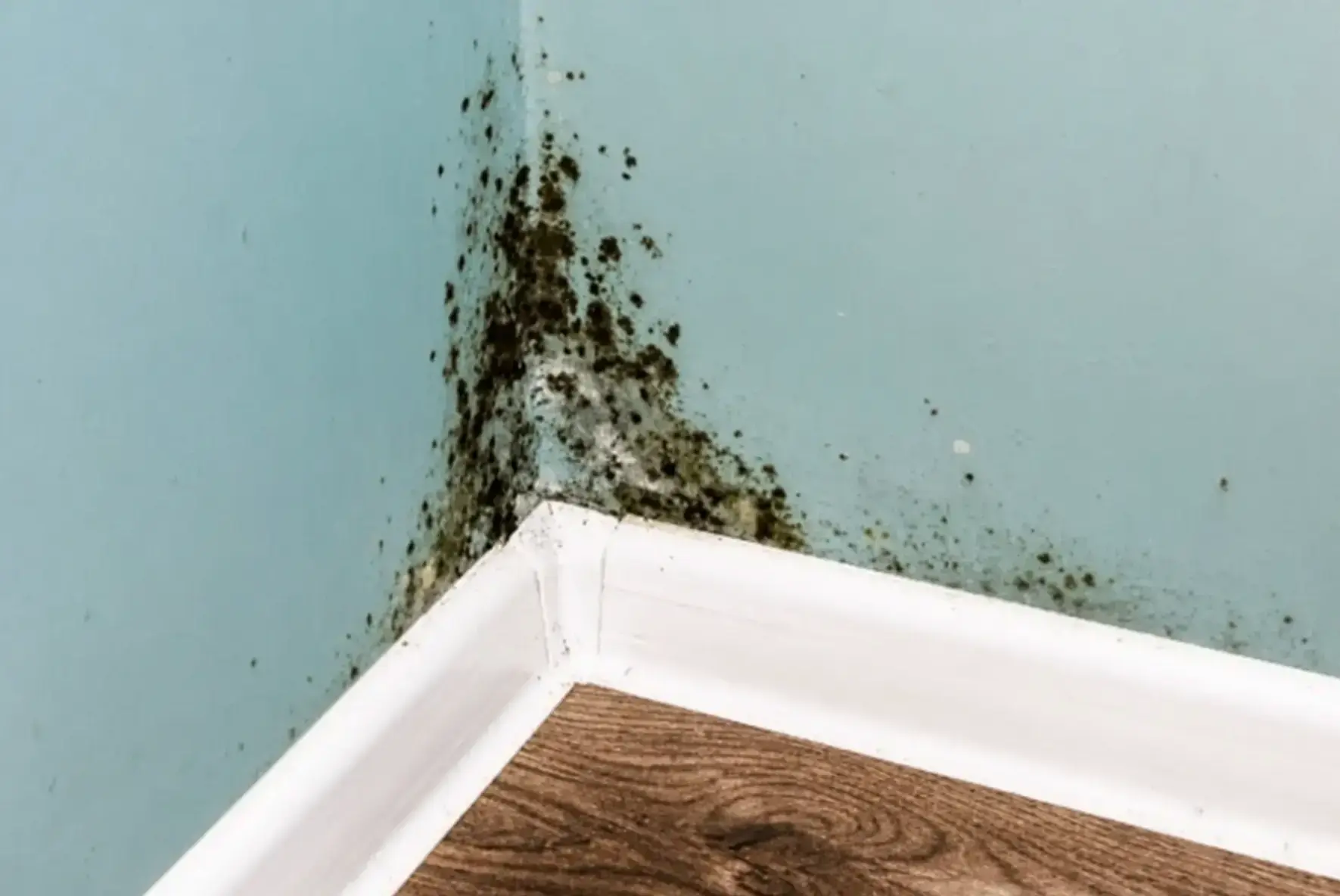
What gets cleaned in a wall cavity, and what comes out
The honest answer to “does this come out, or can it be cleaned?” turns on two things — what the material is, and how many square feet are affected. Those are the two axes of the EPA’s own remediation table, reproduced below for the materials usually found in a wall cavity.
| Material | Under 10 sq ftabout a cabinet door, or one ceiling tile | 10 to 100 sq ftroughly one wall, or a small bathroom | Over 100 sq ftmore than one room's worth of surface |
|---|---|---|---|
| Wallboardthe wallboard itself, both facesEPA, Table 2 | HEPA vacuum | HEPA vacuumRemove and discard | HEPA vacuumRemove and discard |
| Wood surfacesstuds, plates and sheathing behind itEPA, Table 2 | Wet vacuumDamp wipeHEPA vacuum | Wet vacuumDamp wipeHEPA vacuum | Wet vacuumDamp wipeHEPA vacuumRemove and discard |
What those methods mean, in EPA's words
- Wet vacuum
Wet vacuums are vacuum cleaners designed to collect water. They can be used to remove water from floors, carpets and hard surfaces where water has accumulated.
EPA, cleanup methods- Damp wipe
Mold can generally be removed from nonporous (hard) surfaces by wiping or scrubbing with water, or water and detergent.
EPA, cleanup methods- HEPA vacuum
HEPA (High-Efficiency Particulate Air) vacuums are recommended for final cleanup of remediation areas after materials have been thoroughly dried and contaminated materials removed.
EPA, cleanup methods- Remove and discard
Building materials and furnishings that are contaminated with mold growth and are not salvageable should be double-bagged using 6-mil polyethylene sheeting.
EPA, cleanup methods
Removed and replaced, whatever the area
- Fiberglass or other insulation — batt or blown insulation in the stud bay.
Fiber glass, or any other insulation material that is wet or visibly moldy (or if an unacceptable odor is present) should be removed and replaced by a qualified heating and cooling system contractor.
EPA, air duct cleaningEPA states this in its heating-and-cooling guidance and it is quoted here as written. Its water-damage table reaches the same conclusion for both fiberglass and cellulose insulation.
These guidelines are for damage caused by clean water. If you know or suspect that the water source is contaminated with sewage, or chemical or biological pollutants, then Personal Protective Equipment and containment are required by OSHA.
EPA, Table 1Porous materials that are wet and have mold growing on them may have to be discarded.
EPA, cleanup methodsMold can grow on wood, drywall, carpet and furniture if they remain wet for more than 24 hours.
EPA, flood cleanup
What shows on the painted face is usually smaller than what is inside the cavity, because the paper facing and the stud bay stay wet long after the surface looks dry. That is why the area measured on the wall and the area actually remediated are rarely the same number. The studs behind are often salvageable even when the board is not.
At 4% pre-1960 and 66.5% built since 2010, Whitestown's housing is young enough that a mold problem normally points to one identifiable source.Source: US Census Bureau, American Community Survey 2023 5-year estimates, table B25034 — Whitestown town (4,286 housing units)
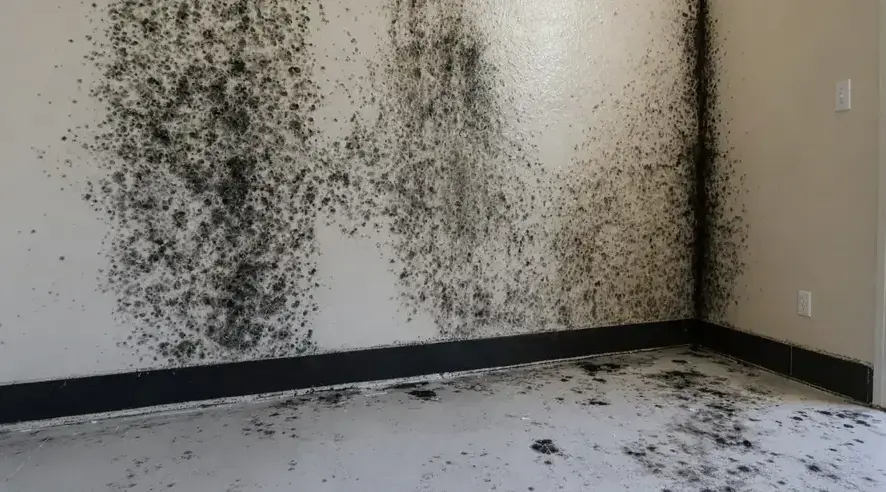
Drywall Mold Removal Services for Whitestown Homes
Whitestown property owners face persistent moisture challenges throughout the year due to the region's humid continental climate, with spring and summer bringing consistently elevated humidity levels and damp conditions that extend well into fall. This year-round moisture pressure creates an ideal environment for mold growth, particularly within wall cavities and drywall systems where humidity accumulates behind finished surfaces. Many homes in and around Whitestown include crawl spaces or basements—both vulnerable points where moisture can travel upward into walls—making drywall mold removal a critical concern for maintaining both structural integrity and indoor air quality.
Alger Mold Remediation connects Whitestown property owners with local independent providers who specialize in identifying and safely removing mold from drywall before it spreads deeper into framing or insulation. These providers use containment and removal techniques designed specifically for drywall affected by mold, ensuring thorough extraction while minimizing disturbance to the rest of your home. Following removal, they focus on addressing the moisture source and restoring proper ventilation so conditions that allowed mold growth are corrected. If you suspect drywall mold in your Whitestown property, connecting with a local provider through Alger Mold Remediation puts professional assessment and remediation within reach.
Why Whitestown Property Owners Choose Alger for Drywall Mold Removal
Fast Local Drywall Mold Removal
Alger connects you with local providers who respond quickly to drywall mold concerns. Rapid assessment and containment help prevent spread and protect your indoor air quality before damage worsens.
Thorough Drywall Mold Treatment
Independent providers in the Alger network handle drywall mold removal with care for safe containment and complete removal. Clear communication throughout the process keeps you informed every step of the way.
Trained Drywall Mold Specialists
Alger connects property owners with local professionals experienced in drywall mold removal and moisture management. These providers understand how mold develops in wall cavities and know the proper removal approach.
Moisture Control for Year-Round Protection
Central Indiana's persistent moisture—from spring humidity through fall dampness—puts ongoing pressure on drywall and wall cavities. Alger's providers address both removal and moisture sources to reduce the likelihood of recurrence in your home.
How Our Drywall Mold Removal Process Works
Schedule Your Drywall Mold Removal Assessment
Contact Alger Mold Remediation to connect with a local drywall mold specialist in Whitestown. We'll arrange a time for a thorough inspection of affected drywall, identifying the extent of mold growth and underlying moisture sources.
Get Your Drywall Mold Diagnosis
The independent provider you're connected with will assess which drywall sections require removal and what remediation approach fits your home. Central Indiana's persistent spring and summer humidity creates conditions where drywall mold thrives, especially in poorly ventilated or moisture-prone areas.
Complete Drywall Mold Removal and Prevention
Your local provider removes compromised drywall, addresses the moisture source, and restores the affected wall. Once work is finished, you'll receive guidance on maintaining proper ventilation and humidity levels to reduce future drywall mold risk.
Dealing with Drywall Mold Removal in Whitestown? Get fast, professional help.
Call Now — (317) 597-6857Drywall Mold Removal Across Whitestown
Whitestown's central Indiana location brings persistent moisture challenges throughout the year, particularly during spring and summer when humidity levels rise significantly. Drywall in homes across the area faces ongoing exposure to this moisture pressure, making it a common site for mold colonization—especially in areas where ventilation is inadequate or water intrusion goes unaddressed. Many properties in and around Whitestown include crawl spaces or basements that, if not properly sealed and ventilated, allow moisture to migrate upward into walls and framing, eventually reaching the drywall surfaces where visible growth may develop.
When drywall mold appears, prompt removal is important for protecting both the structural integrity of your home and indoor air quality. The independent local providers in our network understand how Whitestown's humidity patterns and home construction styles create conditions where mold can take hold quickly in wall cavities and on finished surfaces. They work to identify moisture sources, contain affected areas safely during removal, and help restore drywall integrity so your home stays dry and healthy going forward.
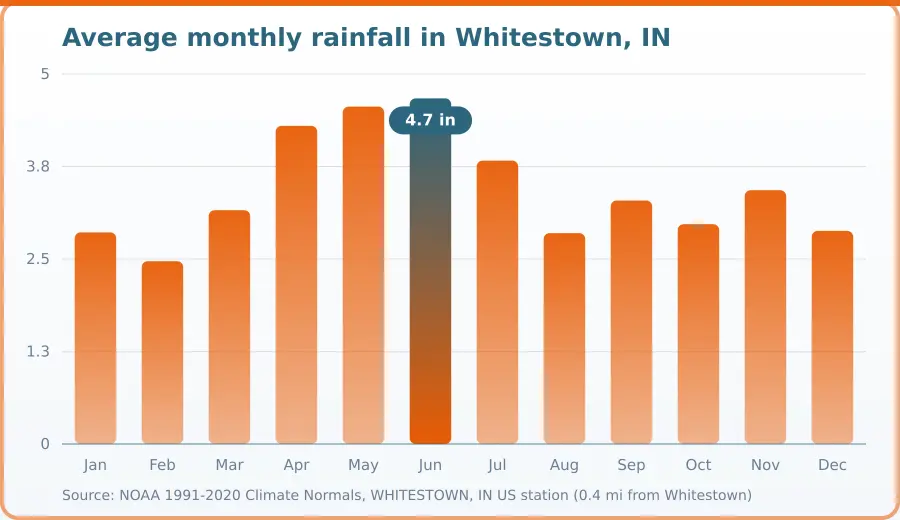
| Period | Monthly rainfall (in) |
|---|---|
| Jan | 2.9 |
| Feb | 2.5 |
| Mar | 3.2 |
| Apr | 4.3 |
| May | 4.6 |
| Jun | 4.7 |
| Jul | 3.8 |
| Aug | 2.9 |
| Sep | 3.3 |
| Oct | 3 |
| Nov | 3.4 |
| Dec | 2.9 |
Source: NOAA 1991-2020 Climate Normals, WHITESTOWN, IN US station (0.4 mi from Whitestown). Retrieved October 5, 2026.
Seasonal Drywall Mold Removal Needs in Whitestown
Spring: Rising Moisture
Spring thaw and increased humidity raise indoor moisture levels, causing drywall to absorb water and become vulnerable to mold colonization. Alger Mold Remediation connects Whitestown property owners with local providers who assess drywall saturation, identify moisture sources, and recommend safe removal before mold spreads deeper into wall cavities.
Summer: Active Growth
Warm, humid summer conditions accelerate drywall mold growth once spores establish themselves. Indoor air conditioning and moisture imbalances in basements and crawl spaces create ideal breeding environments within damp wall materials. Local providers accessed through Alger help contain affected drywall sections and remove compromised material before structural damage occurs.
Fall: Persistent Damp
As damp fall conditions linger, drywall that absorbed moisture during summer continues to support mold activity without aggressive intervention. Seasonal temperature swings can trap condensation within walls, while rodents seeking shelter may damage drywall and create entry points for moisture. Alger Mold Remediation connects you with providers who inspect and remove affected drywall before winter compounds the problem.
Winter: Hidden Spread
Heating systems and indoor humidity fluctuations during winter can mask ongoing drywall mold activity behind walls and in poorly ventilated spaces. Cold exterior temperatures increase condensation risk on interior drywall surfaces, particularly in basements and crawl spaces where moisture infiltration persists year-round. Alger connects Whitestown homeowners with local providers who locate and remove hidden drywall mold before spring moisture season returns.
Drywall Mold Removal FAQs — Whitestown, IN
Drywall mold removal involves identifying affected areas, containing the space to prevent spore spread, carefully removing compromised drywall sections, and disposing of contaminated material safely. The underlying cause—usually moisture intrusion—is also addressed. Local providers connected through Alger Mold Remediation will assess the extent, determine whether sections can be salvaged or must be replaced, and restore the wall structure once the moisture source is controlled.
Alger Mold Remediation works to connect Whitestown property owners with local independent providers promptly so assessment and removal can begin without unnecessary delay. Response times depend on local provider availability and the scope of the problem. Contact Alger to get started and learn when a qualified local provider can evaluate your drywall mold situation.
Pricing for drywall mold removal depends on how much drywall is affected, whether studs or insulation behind the wall must also be addressed, the underlying moisture source, and local labor rates. Removal of a small localized section costs less than extensive mold across multiple walls. The independent provider will inspect your property and discuss pricing factors specific to your situation.
Clear the affected room of personal items, furniture, and clutter to give the provider full access to the walls. Close doors to limit mold spore movement to other areas. The provider may ask you to leave during active removal. Discuss containment and safety procedures with the local professional before work starts to understand what to expect and any precautions you should take.
Once drywall is removed and replaced, control indoor moisture by fixing leaks promptly, maintaining relative humidity below 60%, and ensuring adequate ventilation in bathrooms and kitchens. The local provider will address the moisture source that caused the mold initially—whether roof leaks, plumbing issues, or condensation. Keeping humidity low and addressing water intrusion quickly are your best defenses against recurrence.
Central Indiana experiences sustained moisture pressure throughout spring and summer, with damp conditions often extending into fall. These humid seasons create ideal conditions for mold growth in drywall, especially where moisture enters through cracks, roof leaks, or poor drainage around foundations and crawl spaces. Year-round vigilance helps catch problems early before they spread deep into wall cavities.
Related Services
Homeowner Safety Toolkit
Verify Your Whitestown, IN Mold Remediation Company
Before you hire anyone, use these independent national resources to confirm credentials, standards, and track record.
EPA
The federal government's own guidance on identifying, cleaning up, and preventing mold growth in a home.
Mold Prevention GuideBBB
Look up any mold remediation company's complaint history, customer reviews, and accreditation status — a free, independent check before you hire.
Check StandingCDC
Covers the health effects of mold exposure and safe cleanup practices, separate from the remediation work itself — useful if anyone in the home has respiratory symptoms.
Mold Health GuideDealing with Drywall Mold Removal in Whitestown, IN? Call (317) 597-6857 for 24/7 help.
Call Now — (317) 597-6857Areas We Serve in Whitestown, Indiana
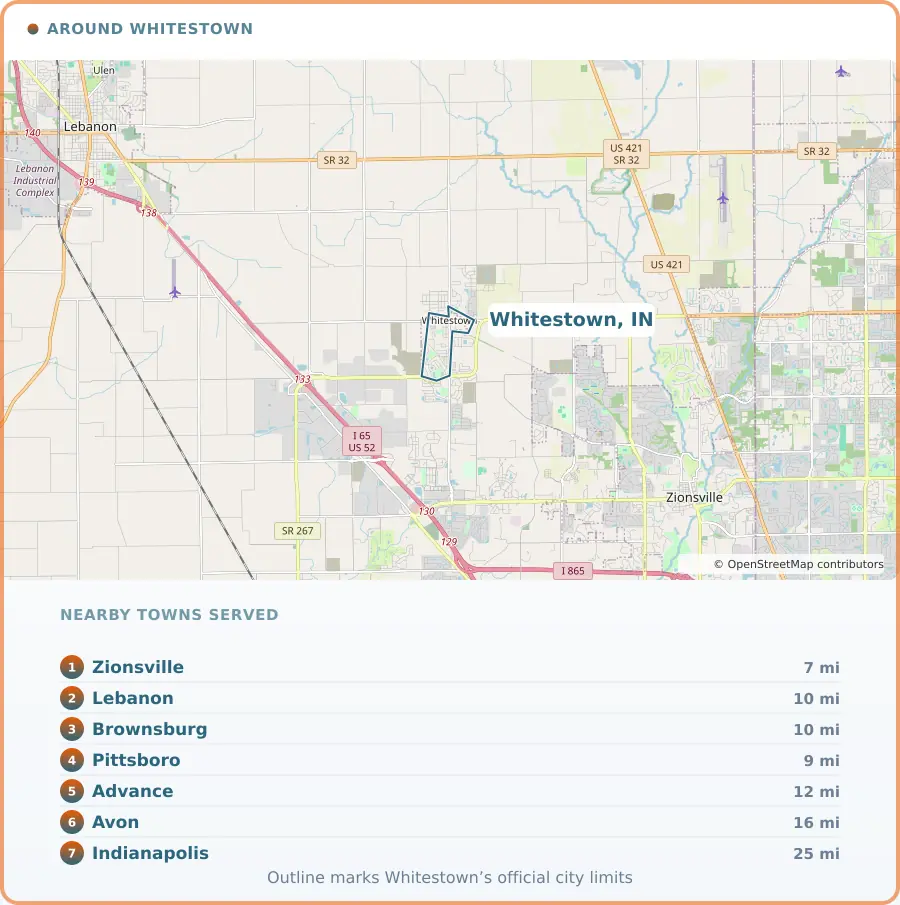
Serving Whitestown, IN and 7 communities around it. Local knowledge of how each area is built shapes how the work is handled there.
Whitestown, IN Information
Just northwest of Indianapolis, Whitestown, IN has become one of the fastest-growing towns in the metro area, with a population now topping 10,000 and climbing. Much of that momentum traces back to the Anson development, which has pulled in major logistics and distribution operations, including a large Amazon fulfillment center, alongside employers like Kroger, Essendant, and O'Reilly Auto Parts.
The town's character blends small-town Boone County roots with the energy of a community building itself in real time. New neighborhoods rise alongside working farmland, while warehousing, residential construction, and local government jobs keep pace with the growth. It's a place still rooted in Indiana agriculture even as it becomes a regional hub for e-commerce and distribution.
Photo: Billy Hathorn, CC BY-SA 3.0