

Kitchen Mold Removal in Whitestown, IN
Whitestown's humid continental climate brings sustained moisture pressure through spring and summer, with damp conditions extending into fall, making kitchens particularly vulnerable to mold growth where plumbing, appliances, and cooking create ongoing condensation and water exposure. Kitchen mold removal in Whitestown requires prompt attention to prevent spread to cabinets, walls, and surrounding areas where moisture can persist undetected. Alger Mold Remediation connects Whitestown property owners with local independent mold removal providers who can assess kitchen moisture sources, contain affected areas safely, and restore indoor air quality to protect your home's structure and your family's health.
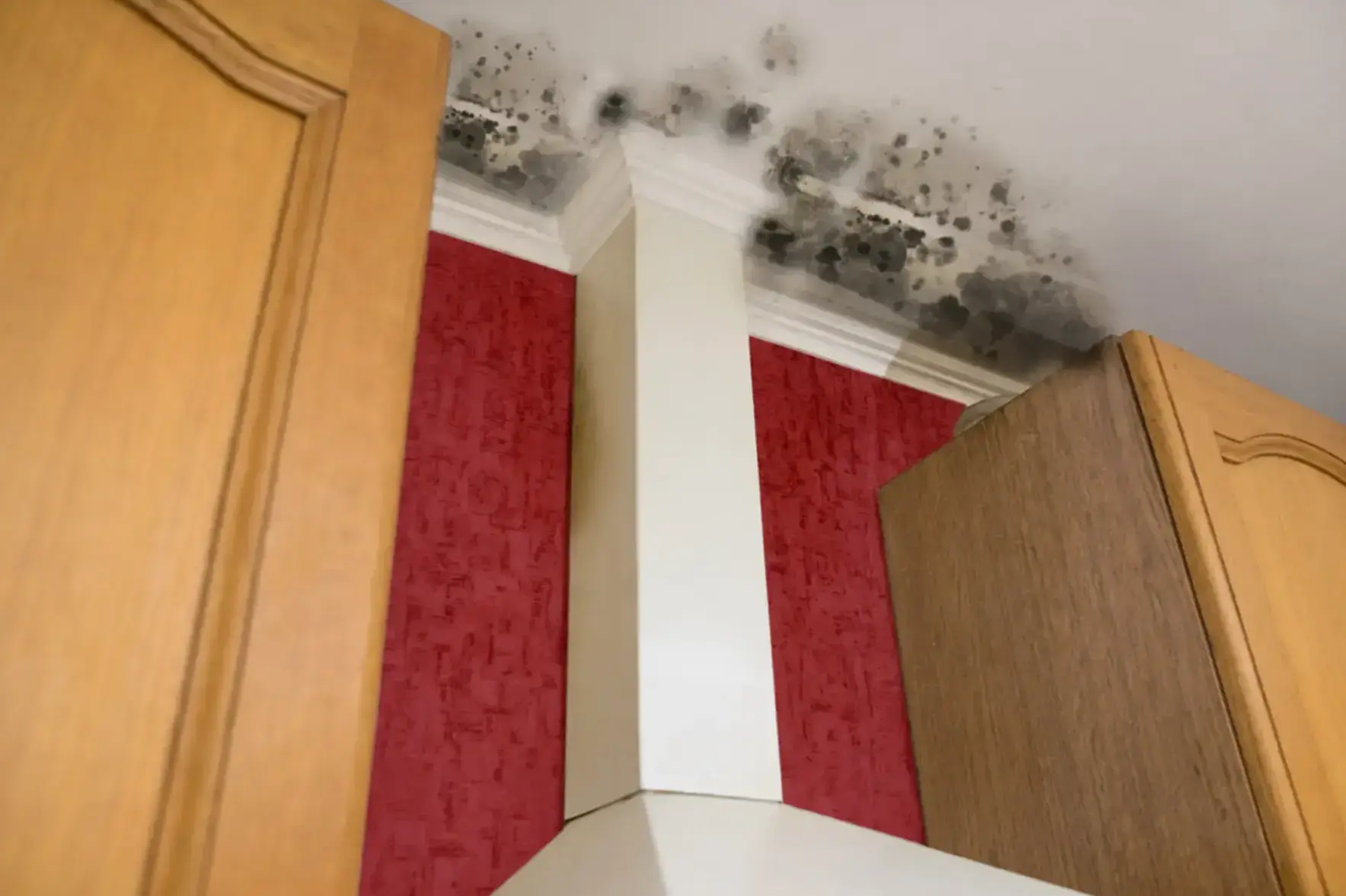
What gets cleaned in a kitchen, and what comes out
The honest answer to “does this come out, or can it be cleaned?” turns on two things — what the material is, and how many square feet are affected. Those are the two axes of the EPA’s own remediation table, reproduced below for the materials usually found in a kitchen.
| Material | Under 10 sq ftabout a cabinet door, or one ceiling tile | 10 to 100 sq ftroughly one wall, or a small bathroom | Over 100 sq ftmore than one room's worth of surface |
|---|---|---|---|
| Non-porous, hard surfacestile, stone or laminate counters, splashbacks and sinksEPA, Table 2 | Wet vacuumDamp wipeHEPA vacuum | Wet vacuumDamp wipeHEPA vacuum | Wet vacuumDamp wipeHEPA vacuum |
| Wood surfacescabinet boxes, toe kicks and shelvingEPA, Table 2 | Wet vacuumDamp wipeHEPA vacuum | Wet vacuumDamp wipeHEPA vacuum | Wet vacuumDamp wipeHEPA vacuumRemove and discard |
| Wallboardthe wall behind cabinets, the sink and the dishwasherEPA, Table 2 | HEPA vacuum | HEPA vacuumRemove and discard | HEPA vacuumRemove and discard |
| Hard surface, porous flooringvinyl or tile flooring and the subfloor beneath itEPA, Table 2 | Wet vacuumDamp wipeHEPA vacuum | Wet vacuumDamp wipeHEPA vacuum | Wet vacuumDamp wipeHEPA vacuumRemove and discard |
What those methods mean, in EPA's words
- Wet vacuum
Wet vacuums are vacuum cleaners designed to collect water. They can be used to remove water from floors, carpets and hard surfaces where water has accumulated.
EPA, cleanup methods- Damp wipe
Mold can generally be removed from nonporous (hard) surfaces by wiping or scrubbing with water, or water and detergent.
EPA, cleanup methods- HEPA vacuum
HEPA (High-Efficiency Particulate Air) vacuums are recommended for final cleanup of remediation areas after materials have been thoroughly dried and contaminated materials removed.
EPA, cleanup methods- Remove and discard
Building materials and furnishings that are contaminated with mold growth and are not salvageable should be double-bagged using 6-mil polyethylene sheeting.
EPA, cleanup methods
These guidelines are for damage caused by clean water. If you know or suspect that the water source is contaminated with sewage, or chemical or biological pollutants, then Personal Protective Equipment and containment are required by OSHA.
EPA, Table 1Porous materials that are wet and have mold growing on them may have to be discarded.
EPA, cleanup methodsMold can grow on wood, drywall, carpet and furniture if they remain wet for more than 24 hours.
EPA, flood cleanup
Under-sink and behind-appliance leaks are slow, so the cabinet floor and the wall behind are usually worse than anything visible at the front. Cabinet boxes are the awkward case: the carcase is wood, so EPA's wood guidance applies, but particleboard and MDF behave more like wallboard once they have swollen. Counters, splashbacks and sinks clean up and stay.
Only 4% of Whitestown homes were built before 1960, with 66.5% since 2010. In newer stock the cause is usually a specific failure rather than general deterioration.Source: US Census Bureau, American Community Survey 2023 5-year estimates, table B25034 — Whitestown town (4,286 housing units)
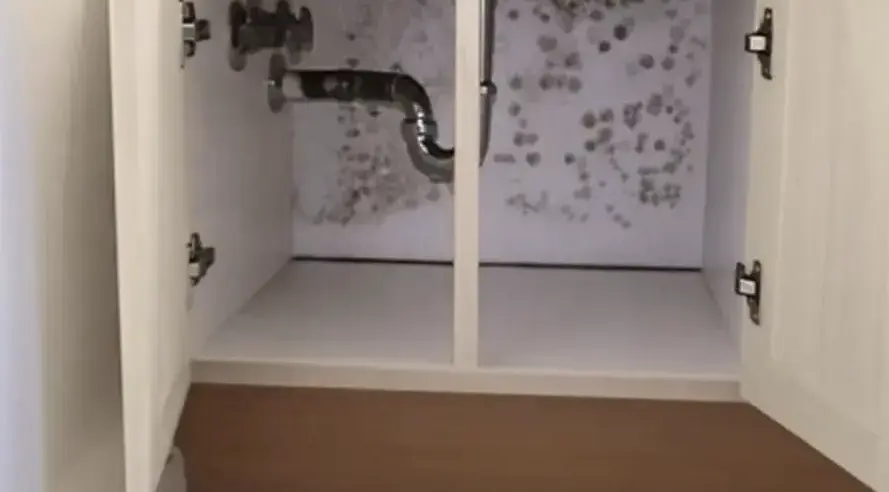
Kitchen Mold Removal Solutions for Whitestown Homeowners
Whitestown's humid continental climate creates persistent moisture challenges throughout the year, with particularly high humidity during spring and summer months that can extend into the fall. Homes in and around Whitestown often feature crawl spaces or full basements—both vulnerable to moisture infiltration when ventilation and sealing are inadequate. Kitchens, where plumbing, appliances, and steam generation concentrate, become especially susceptible to mold growth under these conditions. Unaddressed moisture around sinks, under dishwashers, or near windows can foster mold colonies that compromise indoor air quality and create health concerns for residents. Kitchen mold removal isn't simply a cosmetic fix; it's essential maintenance in a region where seasonal dampness can turn minor moisture problems into serious contamination if left unmanaged.
Alger Mold Remediation connects Whitestown property owners with independent local providers who specialize in thorough kitchen mold removal. These providers begin with detailed inspection to identify the full scope of mold growth and pinpoint moisture sources—often hidden behind walls or under cabinetry. Remediation involves safe containment, removal of affected materials, targeted cleaning, and comprehensive drying to eliminate conditions that allow mold to return. Follow-up guidance on ventilation, humidity management, and moisture prevention helps protect your kitchen long term. By addressing kitchen mold removal promptly and completely, you're safeguarding your home's indoor environment and your family's wellbeing.
Why Whitestown Property Owners Choose Alger for Kitchen Mold Removal
Fast Kitchen Mold Removal Response
Alger connects you with local providers ready to assess kitchen mold quickly. Rapid response prevents moisture from spreading deeper into walls, cabinets, and structural areas behind appliances.
Thorough Kitchen Mold Removal Process
Independent providers handle containment, removal, and source moisture control in kitchens. Clear communication about what's found and how it will be addressed keeps you informed throughout.
Kitchen Mold Removal With Air Quality Focus
Providers prioritize safe removal techniques that protect indoor air during the process. Proper disposal and post-removal verification help restore kitchen safety and peace of mind.
Whitestown Kitchens Face Year-Round Moisture Pressure
Central Indiana's humidity cycles—particularly intense in spring and summer—create persistent dampness that promotes kitchen mold growth. Alger's local providers understand seasonal moisture patterns and seal vulnerable areas under sinks and around foundations.
How Our Kitchen Mold Removal Process Works
Connect with a Kitchen Mold Removal Provider
Tell us about kitchen mold you've noticed—whether it's around sink areas, under cabinets, or near windows. We'll match you with a local mold removal provider in Whitestown who can schedule your kitchen mold removal assessment at your convenience.
Get Your Kitchen Inspected and Diagnosed
The provider inspects your kitchen for mold, moisture sources, and affected materials—paying special attention to moisture-prone zones like sink cabinets and window frames. They'll identify where kitchen mold is growing and what's driving the moisture, so removal targets the actual problem.
Complete Kitchen Mold Removal and Prevention
The provider removes affected kitchen materials, cleans mold-colonized surfaces, and addresses moisture sources to reduce recurrence. Once kitchen mold removal is finished, they'll advise on moisture management so your kitchen stays dry.
Dealing with Kitchen Mold Removal in Whitestown? Get fast, professional help.
Call Now — (317) 597-6857Kitchen Mold Removal Across Whitestown
Whitestown's location in central Indiana means homes here contend with persistent moisture throughout much of the year. Spring and summer bring high humidity, and damp conditions often linger well into fall, creating an ongoing challenge for indoor air quality. Kitchens—with their combination of cooking steam, sink use, and appliance condensation—are especially vulnerable to mold growth when moisture isn't managed effectively. Many properties in the area include crawl spaces or full basements, both of which can become significant moisture sources if ventilation is inadequate or seals have deteriorated. When moisture from below finds its way into living spaces above, kitchen walls, cabinetry, and ceilings can develop mold that goes unnoticed until it becomes widespread.
Kitchen mold removal in Whitestown requires an approach that addresses not just visible growth, but the moisture pathways feeding it. Local providers connected through Alger Mold Remediation understand how seasonal humidity patterns and foundation moisture interact with kitchen environments. Effective remediation involves identifying where moisture enters, containing affected areas properly during removal, and ensuring adequate ventilation so mold does not quickly return. Whether the problem stems from a leaking sink, poor exhaust ventilation, or moisture seeping up from below, addressing the source is essential for lasting results.
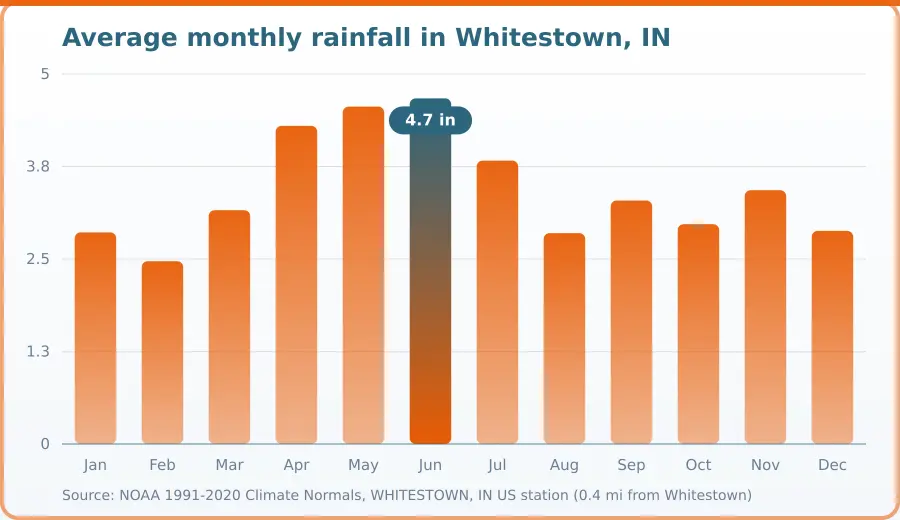
| Period | Monthly rainfall (in) |
|---|---|
| Jan | 2.9 |
| Feb | 2.5 |
| Mar | 3.2 |
| Apr | 4.3 |
| May | 4.6 |
| Jun | 4.7 |
| Jul | 3.8 |
| Aug | 2.9 |
| Sep | 3.3 |
| Oct | 3 |
| Nov | 3.4 |
| Dec | 2.9 |
Source: NOAA 1991-2020 Climate Normals, WHITESTOWN, IN US station (0.4 mi from Whitestown). Retrieved October 5, 2026.
Seasonal Kitchen Mold Removal Needs in Whitestown
Spring: Moisture Surge
Spring brings sustained high humidity and thawing moisture that can seep into kitchens, especially in homes with basements or crawl spaces where water enters if ventilation and sealing are inadequate. Alger Mold Remediation connects property owners to local providers who inspect and remove kitchen mold before it spreads through cabinets, under sinks, and behind appliances.
Summer: Heat and Humidity
Summer's combination of heat and elevated humidity accelerates kitchen mold growth around windows, under countertops, and near plumbing fixtures. Local providers reached through Alger Mold Remediation perform thorough removal and identify moisture sources driving mold colonization in kitchens before the season peaks.
Fall: Persistent Dampness
Autumn's damp conditions linger into fall, keeping kitchens vulnerable to mold on walls, grout, and organic surfaces as indoor humidity remains high. Alger Mold Remediation helps property owners connect with local remediation specialists to address fall kitchen mold before winter traps moisture indoors.
Winter: Cold and Condensation
Winter temperature swings create condensation on kitchen windows, counters, and pipes, fostering mold growth in poorly ventilated spaces. Local providers accessible through Alger Mold Remediation remove winter kitchen mold and address condensation sources to restore indoor air quality and prevent structural damage.
Kitchen Mold Removal FAQs — Whitestown, IN
Kitchen mold removal typically includes inspection to locate active mold, containment to prevent spore spread, removal of affected materials (drywall, insulation, cabinetry), thorough cleaning and treatment of surfaces, and addressing the moisture source causing growth. The independent local provider you're connected with will assess your specific situation and explain the scope before work begins.
Alger Mold Remediation works to connect you with independent local providers in the Whitestown area quickly so you can address kitchen mold promptly. Response time depends on provider availability, but the referral process is designed to minimize delays in getting your property evaluated and a removal plan underway.
Kitchen mold removal costs depend on the extent of mold growth, materials affected (drywall, cabinets, flooring), moisture source and difficulty of repair, and labor required. Pricing is set by the independent provider you're matched with. Request a detailed estimate that breaks down inspection, removal, remediation, and any structural repairs.
Clear kitchen areas of personal items, move furniture if needed, and ensure access to affected zones. The independent provider will advise on containment setup and whether you should vacate during work. Ask about dust control measures and timeline so you can plan accordingly. Following their pre-work instructions protects your belongings and speeds the process.
Control moisture by fixing leaks quickly, using exhaust fans during and after cooking, wiping down wet surfaces, and ensuring good ventilation. Monitor humidity levels, especially during damp seasons. The provider addressing your current mold can recommend ventilation or drainage improvements specific to your kitchen layout and your home's moisture patterns.
Central Indiana experiences sustained moisture pressure throughout the year, with particularly humid conditions in spring and summer and lingering dampness into fall. Kitchen mold can develop whenever moisture accumulates—from plumbing leaks, poor ventilation, or seasonal humidity spikes. Address mold promptly whenever you notice it, regardless of season, to prevent it from spreading deeper into walls or structural areas.
Related Services
Homeowner Safety Toolkit
Verify Your Whitestown, IN Mold Remediation Company
Before you hire anyone, use these independent national resources to confirm credentials, standards, and track record.
EPA
The federal government's own guidance on identifying, cleaning up, and preventing mold growth in a home.
Mold Prevention GuideBBB
Look up any mold remediation company's complaint history, customer reviews, and accreditation status — a free, independent check before you hire.
Check StandingCDC
Covers the health effects of mold exposure and safe cleanup practices, separate from the remediation work itself — useful if anyone in the home has respiratory symptoms.
Mold Health GuideDealing with Kitchen Mold Removal in Whitestown, IN? Call (317) 597-6857 for 24/7 help.
Call Now — (317) 597-6857Areas We Serve in Whitestown, Indiana
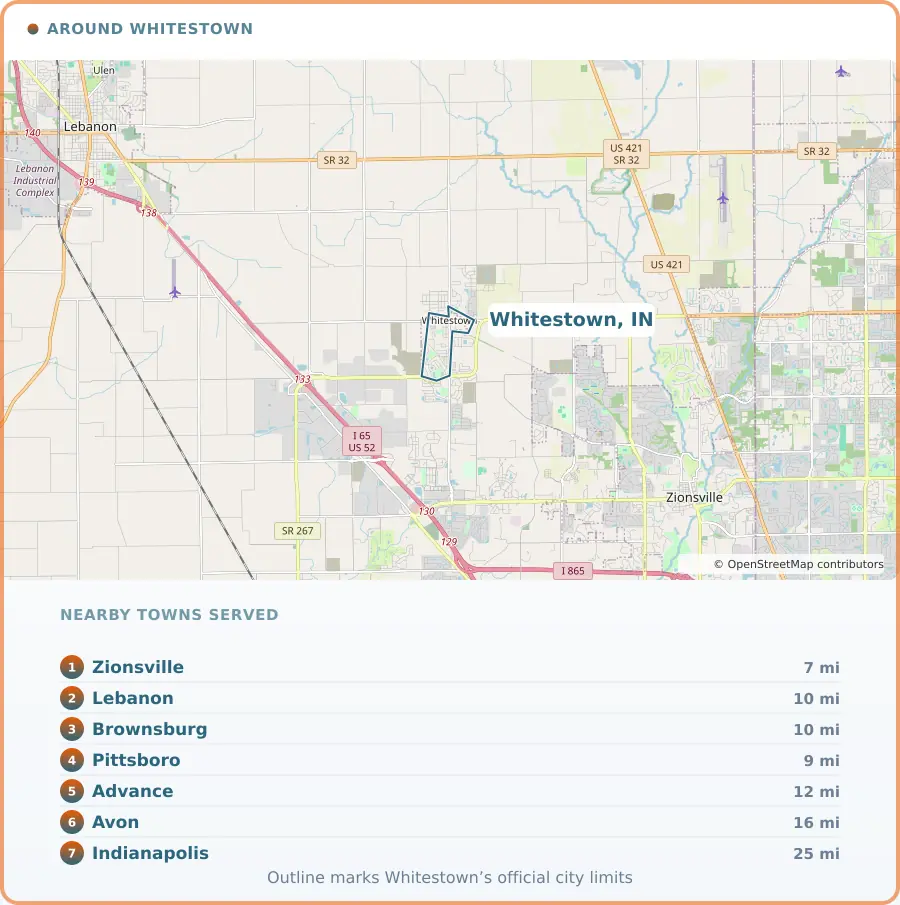
Serving Whitestown, IN and 7 communities around it. Local knowledge of how each area is built shapes how the work is handled there.
Whitestown, IN Information
Just northwest of Indianapolis, Whitestown, IN has become one of the fastest-growing towns in the metro area, with a population now topping 10,000 and climbing. Much of that momentum traces back to the Anson development, which has pulled in major logistics and distribution operations, including a large Amazon fulfillment center, alongside employers like Kroger, Essendant, and O'Reilly Auto Parts.
The town's character blends small-town Boone County roots with the energy of a community building itself in real time. New neighborhoods rise alongside working farmland, while warehousing, residential construction, and local government jobs keep pace with the growth. It's a place still rooted in Indiana agriculture even as it becomes a regional hub for e-commerce and distribution.
Photo: Billy Hathorn, CC BY-SA 3.0